
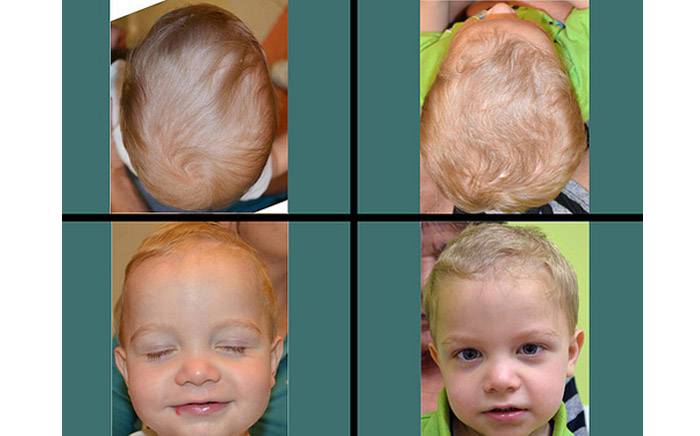
The first week after craniosynostosis surgery is a critical period for your baby’s recovery. Parents may feel anxious, wondering about pain management, feeding, sleep, and how to handle daily care. Understanding what to expect during this initial phase can help you provide comfort, support healing, and identify any complications early.
1. Monitoring Your Baby’s Condition
- Expect some swelling and mild bruising around the surgical site.
- Keep an eye on your baby’s temperature, breathing, and general behavior.
- Contact your surgeon immediately if you notice persistent fever, unusual swelling, or signs of infection.
Tip: Take notes on your baby’s condition to track progress and share observations with your doctor.
2. Pain Management
- Pain is common after craniosynostosis surgery, but it can be managed safely.
- Administer prescribed medications exactly as directed.
- Watch for signs of discomfort such as crying, restlessness, or changes in feeding habits.
Tip: Gentle rocking, soft singing, and skin-to-skin contact can complement pain management and soothe your baby.
Read More Blogs: The Difference Between Plagiocephaly and Craniosynostosis
3. Feeding and Nutrition
- Babies may feed less frequently or seem tired during feeding.
- Offer smaller, more frequent meals to prevent fatigue.
- Ensure proper positioning to avoid pressure on the surgical site.
Tip: If you notice difficulty feeding or refusal to eat, consult your pediatric surgeon immediately.
4. Sleep and Rest
- Adequate sleep is essential for healing.
- Follow safe sleep guidelines recommended by your surgeon.
- Avoid placing objects near the surgical area and ensure your baby’s head is supported.
Tip: Swaddling and gentle rocking can help your baby sleep comfortably while reducing stress.
5. Caring for the Surgical Site
- Keep the incision clean and dry as per your surgeon’s instructions.
- Avoid rubbing or applying pressure on the head.
- Check for redness, discharge, or unusual swelling.
Tip: Use soft clothing and avoid hats or tight headbands in the first week.
6. Emotional Comfort and Bonding
- The first week is stressful for both baby and parents.
- Skin-to-skin contact, soothing voices, and gentle touch help your baby feel secure.
- Stay calm and patient—your reassurance is a key part of recovery.
7. When to Seek Immediate Medical Attention
Contact your doctor immediately if you notice:
- Persistent fever or lethargy
- Uncontrolled crying or pain despite medication
- Signs of infection at the surgical site
- Difficulty breathing or feeding
Conclusion
The first week after craniosynostosis surgery is a sensitive period that requires careful monitoring, gentle care, and emotional support. By understanding what to expect and following your surgeon’s instructions, you can help your baby heal safely and comfortably.
If you are looking for expert craniofacial care, NJ Craniofacial Center in New Jersey provides specialized pediatric craniosynostosis services. Contact their team today to schedule a consultation and get personalized guidance for your baby’s recovery.
FAQs
Q1: How long is the first week after craniosynostosis surgery critical?
A: The first 7 days are crucial for monitoring recovery, managing pain, and preventing complications.
Q2: Is swelling normal in the first week?
A: Yes, mild to moderate swelling and bruising are expected and typically decrease within a week.
Q3: Can my baby sleep normally after surgery?
A: Babies can sleep, but always follow your surgeon’s instructions for positioning and support.
Q4: How often should I feed my baby?
A: Feed smaller, more frequent meals as babies may tire easily after surgery.
Q5: When should I call the doctor?
A: Call immediately if there is fever, excessive swelling, unusual discharge, difficulty breathing, or uncontrolled pain.
